
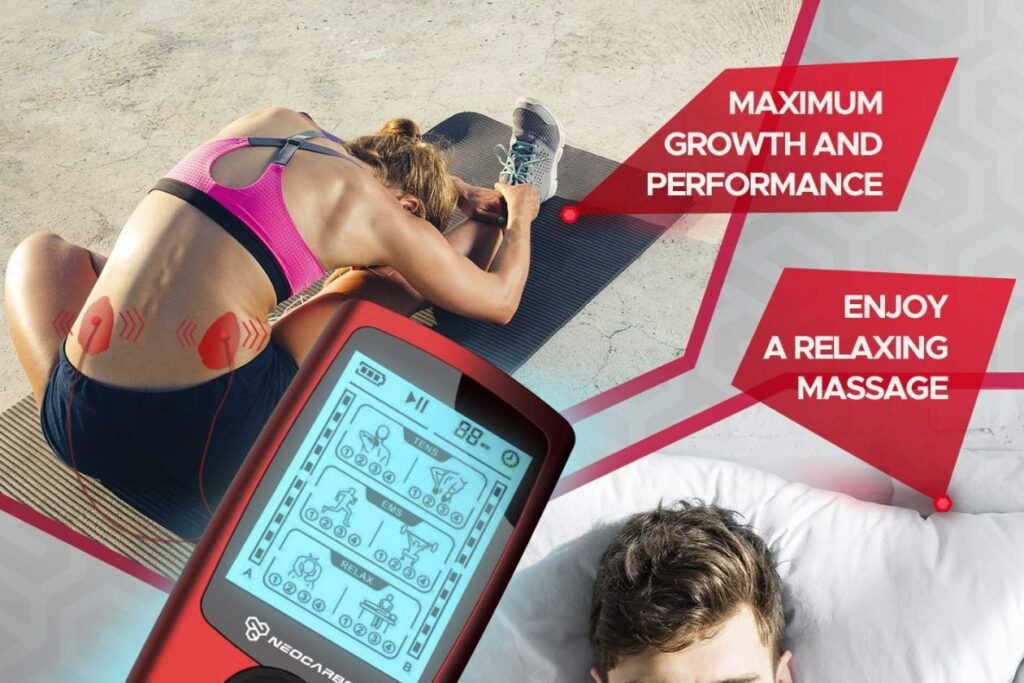
Back pain is something that everyone will encounter at some point. In the United States, it’s estimated that 75.8 million people are recorded to have back pain, whether it’s acute or chronic.
Dealing with back pain can be a daily struggle, and discovering effective treatments is crucial for improving your quality of life. Typically, this type of pain is dealt with either medications such as NSAIDs or even physical therapy. Another method you might want to consider is electrotherapy.

Electrotherapy offers a promising solution for easing back pain using mild electrical pulses. This approach can help manage pain and improve circulation without invasive surgery. A study has shown that it helped speed up wound healing and strengthened skin grafts.
- Types of Electrotherapy Used in Back Pain Management
- Proper Usage of Electrotherapy Devices
- Clinical Evidence Supporting Electrotherapy for Back Pain
- Frequently Asked Questions
- What are the potential side effects of using electrotherapy for back pain relief?
- How effective is electrotherapy in treating lower back pain?
- What are the contraindications for the use of electrotherapy in back pain management?
- Can electrotherapy provide relief for sciatica symptoms?
- What role does electrotherapy play in physiotherapy for back pain?
- Are there any long-term disadvantages to using electrotherapy for back pain?
- Struggling with Back Pain After an Accident? Find the Right Help Now!
Types of Electrotherapy Used in Back Pain Management
Different types of electrotherapy devices are available, and each works in unique ways to target pain. Some of these are:
Transcutaneous Electrical Nerve Stimulation (TENS)
TENS uses low-voltage electrical currents to relieve pain. A small device delivers the current at or near your nerves to block or change your pain perception. TENS is commonly used for conditions like osteoarthritis, tendinitis, and fibromyalgia. It usually involves placing adhesive electrode pads on the skin, targeting specific pain areas, and can be adjusted for different intensity levels.
Interferential Current Therapy (IFC)
IFC uses medium-frequency electrical currents to treat pain. It is designed to penetrate deeper into the tissues compared to TENS. By sending two different frequencies into the body, IFC produces a low-frequency current that can reach deeper muscles and tissues. This method helps reduce pain and inflammation, enhance blood flow, and stimulate tissue healing.
Percutaneous Electrical Nerve Stimulation (PENS)
PENS is similar to TENS but involves inserting needles through the skin near the nerves. These needles act as electrodes, delivering electrical impulses directly to the nerves. PENS is particularly effective for chronic and severe pain where other methods may not provide sufficient relief. It is often used when pain persists despite other forms of treatment.
Galvanic Stimulation (GS)
GS uses direct current to stimulate tissue repair and reduce inflammation. Unlike TENS and other alternating current therapies, GS involves a continuous flow of electricity. This method is effective for acute injuries and helps reduce swelling, promote blood flow, and accelerate healing. GS is particularly useful for soft tissue injuries and post-operative recovery.
Electrotherapy is a versatile tool for managing back pain, with various types designed to address specific needs. By understanding these methods, you can better manage your condition and improve your quality of life.
Proper Usage of Electrotherapy Devices
Using electrotherapy devices effectively requires choosing the right device, placing the electrodes correctly, and setting the proper intensity and duration. These steps ensure you get maximum benefits with minimal side effects.
Choosing the Right Device
When selecting an electrotherapy device, consider your specific needs. Devices like Transcutaneous Electrical Nerve Stimulation (TENS) units are common for back pain. Consult with your healthcare provider to verify it’s suitable for your condition.
Check for features like adjustable settings and battery life. Devices with easy-to-use controls simplify your treatment. Study product reviews or ask others about their experiences to find a reliable device.
Focus on your budget to maintain quality. Quality devices offer better outcomes and longer-lasting performance.
Placement of Electrodes
Proper electrode placement is crucial for effective treatment. Electrodes are usually placed around the painful area on your back. Ensure your skin is clean and dry to improve adhesion and reduce irritation risks.
Follow your device’s manual for specific placement instructions. Placement may vary depending on your pain location and type. Consult your healthcare professional if you are unsure where to place the electrodes.
Improper placement can result in discomfort or ineffective treatment. Reposition electrodes if you feel an uncomfortable tingling or stinging sensation.
Setting the Intensity and Duration
Start with the lowest intensity setting to gauge your tolerance. Gradually increase until you find a comfortable level. Avoid high intensity, which can cause discomfort or skin irritation.
Most sessions last between 15 to 30 minutes. Follow your healthcare provider’s recommendations for duration and frequency. Overuse can lead to skin irritation or diminish effectiveness.
Stay consistent with your sessions for the best results. Regular use maximizes the benefits and helps manage pain over time. Always follow manufacturer guidelines and consult your doctor for personalized advice.
Recommended products


Clinical Evidence Supporting Electrotherapy for Back Pain
Clinical studies have explored the effectiveness of various electrotherapy options for treating chronic low back pain.
The most studied electrotherapy device is the Transcutaneous Electrical Nerve Stimulation (TENS). A review of electrotherapy literature found moderate evidence supporting TENS for select patients with chronic low back pain. A study indicated that it can induce an analgesic effect and immediately relieve low back pain.
Galvanic Stimulation Therapy was also found to improve functionality and relieve pain in people with lower back pain. There was also a study that observed patients with spinal cord injuries. After administering galvanic stimulation, their balance improved, and their pain was reduced.
Experts have pointed out that electrical therapies can vary significantly in their effectiveness. The study on the efficacy of selected electrical therapies emphasizes the need for individualized treatment plans.
It’s interesting to note that clinician reviews often state that with proper diagnosis and classification, electrotherapy can be a valuable component of a structured back pain management plan.
Recommended products
Frequently Asked Questions
Electrotherapy is a treatment that uses electrical currents to relieve pain and promote healing, especially in the lower back. Key topics include potential side effects, effectiveness, contraindications, sciatica relief, its role in physiotherapy, and long-term disadvantages.
What are the potential side effects of using electrotherapy for back pain relief?
The most common side effect is skin irritation or a rash. This can happen due to the adhesive on the electrodes or the tape that holds them in place. Overuse may cause a burning sensation on the skin. It is important to follow the recommended guidelines to avoid complications.
How effective is electrotherapy in treating lower back pain?
Electrotherapy can be effective in reducing lower back pain. It helps improve circulation, repair tissues, and strengthen muscles. These effects can lead to significant improvement in physical functioning. Different devices and settings can be used for tailored treatments, enhancing their effectiveness.
What are the contraindications for the use of electrotherapy in back pain management?
You should avoid using electrotherapy if you have a pacemaker or any other electronic implant. It is also not recommended for people with certain heart conditions, epilepsy, or while pregnant. Always consult with your healthcare provider before starting electrotherapy.
Can electrotherapy provide relief for sciatica symptoms?
Electrotherapy can relieve sciatica symptoms by targeting the nerves and muscles in the lower back and legs. It sends electrical pulses to these areas, which can help reduce pain and inflammation associated with sciatica. Place the electrodes strategically for the best results.
What role does electrotherapy play in physiotherapy for back pain?
In physiotherapy, electrotherapy is used to complement other treatments. It can help reduce pain and inflammation, making it easier to perform physical exercises and stretches. This promotes faster recovery and improves mobility. Physiotherapists often incorporate electrotherapy in personalized treatment plans for back pain.
Are there any long-term disadvantages to using electrotherapy for back pain?
Long-term use of electrotherapy generally poses minimal disadvantages when used correctly. However, improper use or overuse can lead to skin irritation or burns. Following guidelines and consulting with a healthcare provider is important to ensure safe and effective use.
Recommended products
Struggling with Back Pain After an Accident? Find the Right Help Now!
Back pain can be debilitating, especially when it results from an accident. If you or a loved one is suffering from back pain due to someone else’s negligence, it’s crucial to seek the right legal assistance. The Personal Injury Center connects individuals with experienced lawyers specializing in back pain claims. Don’t let the pain control your life—get the compensation you deserve.
Take the first step towards recovery. Contact a trusted personal injury lawyer through The Personal Injury Center today.
Disclaimer: Last update on 2026-03-28 / Affiliate links / Images from Amazon Product Advertising API.
This content is provided solely for educational reasons and should not be seen as medical guidance. It’s important to consult with a healthcare expert prior to making any changes to your health regimen, including dietary adjustments or the use of supplements.
Pages on this website may contain affiliate links. As an Amazon Associate, we receive a commission from qualifying purchases. This commission is at no extra cost to you.